Homelabs and Self-Hosting

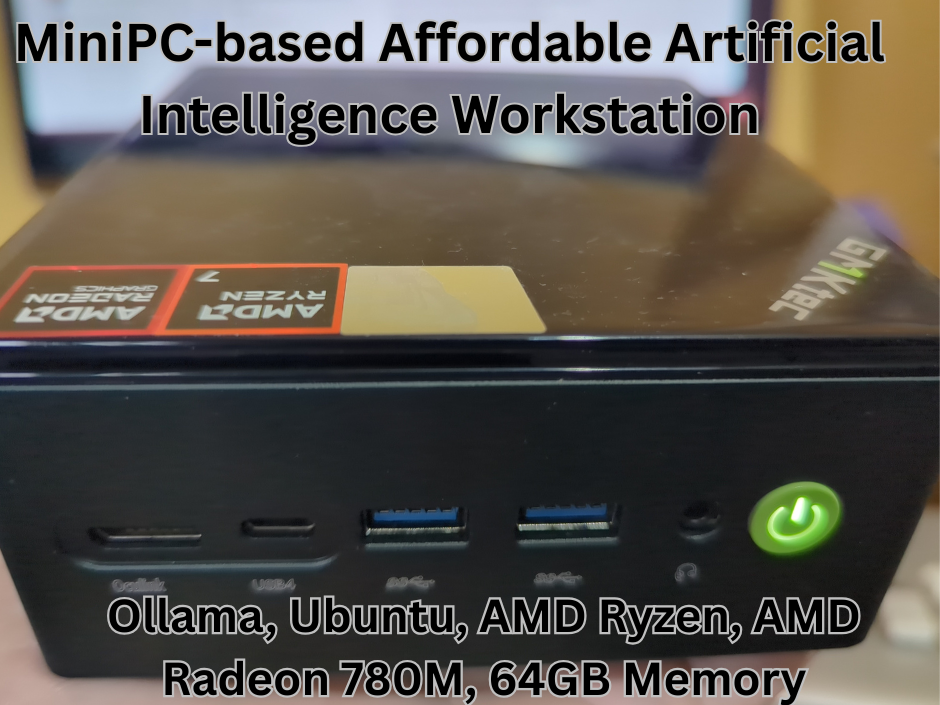
Building affordable homelab Local AI workstations with AMD Ryzen, Ollama, and Docker
(2026-02-13T22:00:00.000Z) The local AI dream can be satisfied with GPUs other than expensive NVIDIA hardware. An AMD Ryzen MiniPC with integrated Radeon GPU and shared memory can run 30B parameter models at usable speeds, for under $1000.
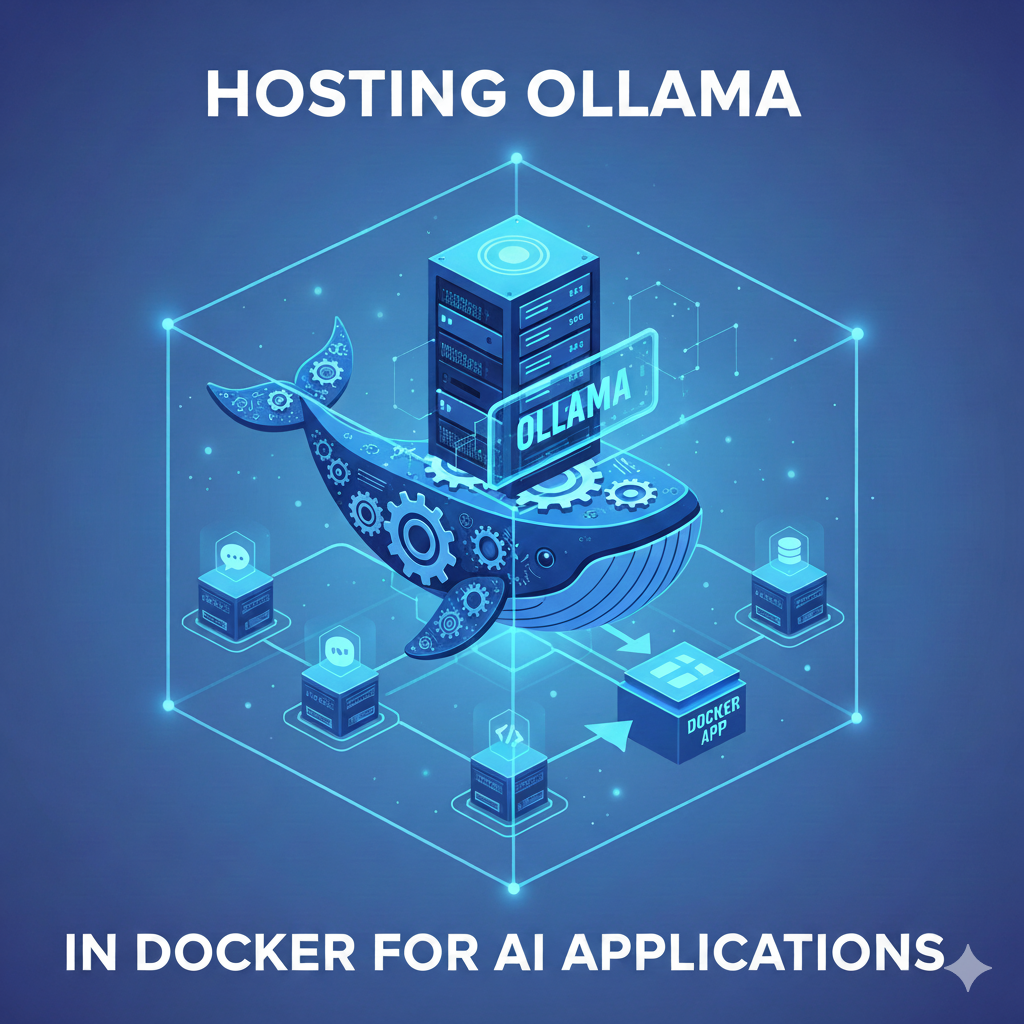
Self-hosting Ollama, in Docker, to support Local AI features in other Docker services
(2026-01-22T22:00:00.000Z) Many applications of interest to Homelabbers use AI systems to add value. Since Ollama is a popular tool for running LLM AI software, let's look at it as a Docker service which can be used by other tools.
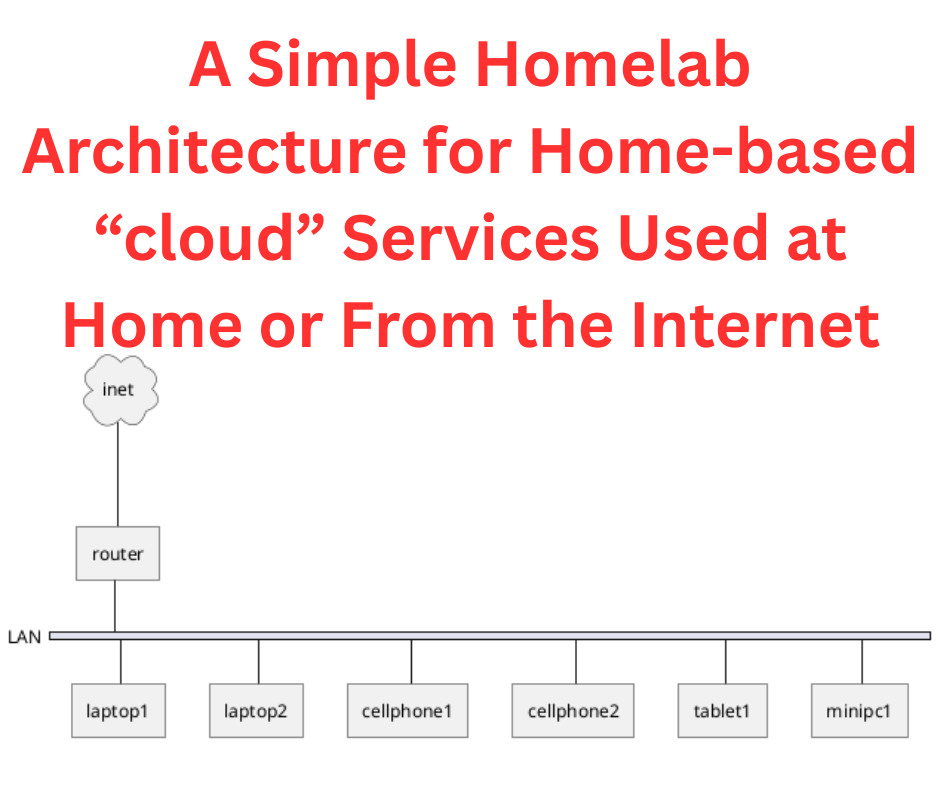
Homelab architecture, how to safely expose home-based services to the Internet
(2025-04-29T21:00:00.000Z) In a homelab, we self-host Internet services on machines installed in our home. While it's easy to access those services at home, accessing them from the Internet takes some preparation. Let's talk about the architecture of publishing Internet services to the Internet from your home network.
Installing Caddy as a homelab reverse proxy, exposing home-based services to the Internet
(2025-03-30T21:00:00.000Z) Caddy is a popular, enterprise-ready web server, that can be easily use as a reverse proxy for a homelab. Homelabbers need a simple tool for hosting many services on a single IP address and easily provision Lets Encrypt SSL certificates. Caddy makes that easy.
Use DynamicDNS to give your homelab services on your home internet connection a domain name
(2025-03-14T22:00:00.000Z) A critical step to create a "homelab" is assigning a domain name to your home network connection. Dynamic DNS lets you do this even if your internet service provider changes your IP address from time to time.
Remotely access your home network using free dynamic DNS service from DuckDNS
(2019-11-30T22:00:00.000Z) Do you have files stashed on a computer at home but you're halfway around the world? In theory the Internet is equally usable by all of us, but in practice it's a little different. We're told we can only store our data on servers owned by other people, and cannot do so on our own server. In actual practice it is fairly easy to access computers on your home network, and the first step is associating a domain name with your home network.